
the credibility document
How a paddle is measured.
Before we publish a single figure for our own paddles, here is exactly what we will measure, how, and under what conditions, so you can hold us to it.
Two numbers describe a paddle's voice.
Ball meets face. The paddle rings. What you hear and feel comes down to two numbers.
Frequency
The pitch of the paddle, measured in hertz (Hz). Think of it as the note the paddle plays.
Stiff, light paddles produce a high pitch (a sharp crack). Softer, heavier paddles produce a low pitch (a dull thud).
Feedback. A pure strike plays a clean note. A mishit plays a different one. The paddle tells you exactly where you made contact.
Decay
How long the sound lasts after impact. Think of it as how quickly the paddle goes quiet.
A long decay is a ring-out—the paddle keeps vibrating. A short decay is a clean, immediate stop. High damping materials cut decay short.
The "buzz". A long decay feels like lingering vibration in your hand. A short decay feels solid, stable, and settled.
Where the category sits.
What a proper test looks like.
A phone on a windy court is not a measurement. You need a controlled room, a repeatable strike, and a calibrated mic.
The room
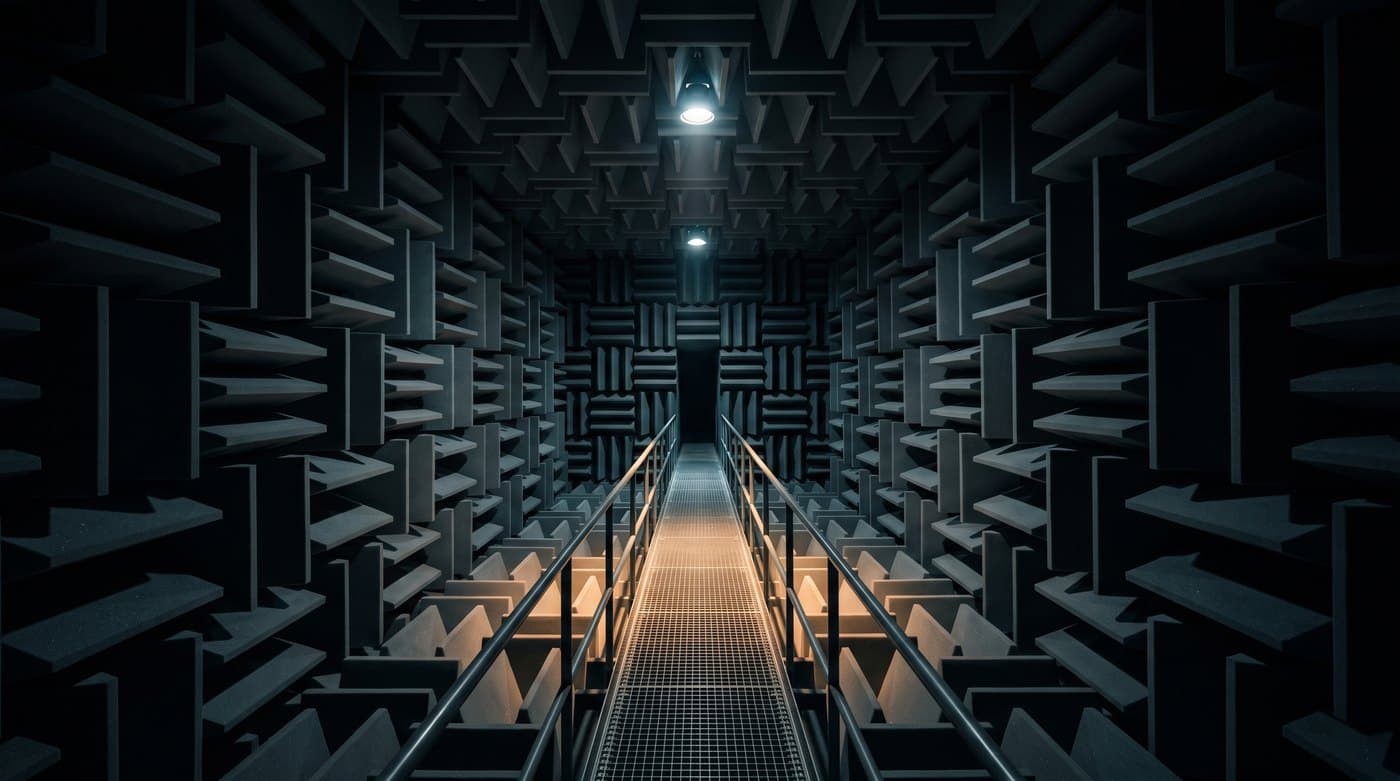
An anechoic or acoustically controlled chamber, so reflections, wind, and neighbouring play cannot contaminate the reading. The microphone hears only the paddle.
The strike
A fixed impact energy at a fixed point on the face, delivered by a rig — not a human arm. Centre and edge ring differently, so the strike location is locked and recorded.
The ear
A measurement-grade microphone, calibrated before the session, at a fixed distance and angle. Without that, loudness figures cannot be compared across sessions or labs.
The analysis
From each strike: dominant frequency, and decay time to a stated fraction of peak. Window, weighting, and thresholds are documented so the numbers can be reproduced from the raw recordings.
The sample
Multiple production units per SKU, multiple strikes per unit, sample size published with every result. A figure without a sample size is an anecdote with confidence.
Cell testing is underway.
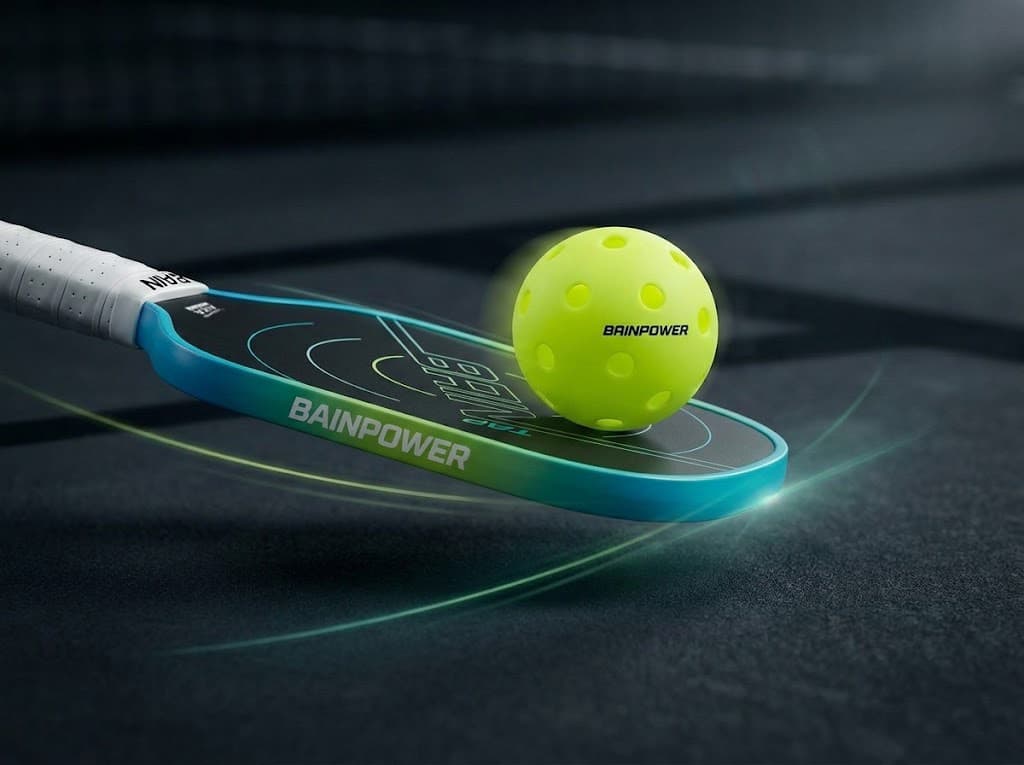
We're testing BAM and TAP in our sound chamber now. When each paddle's numbers are ready — how loud it is, how long the sound lasts, and how we measured it — we'll post them here. No guesses. No hiding results.
Results publish here as each SKU clears the cell.
The numbers land here first.
We will publish the cell-test figures here when they are done, and what they said.
Meanwhile, the paddles